



You think your job is exhausting you.
But what if I told you the job isn’t the real problem? Millions of people work long hours and still feel energized at the end of the day. The difference isn’t willpower or a lighter workload — it’s a handful of small, invisible habits they’ve quietly built into their routine.
If you wake up groggy, hit a wall at 2pm, and drag yourself to bed still feeling drained — this article is for you.
Why So Many People Feel Tired All the Time
Fatigue is more common than most people realize. According to a study published in Frontiers in Psychology, nearly 45% of adults report persistent fatigue that interferes with their daily life — and most of them blame work stress or lack of sleep.
But here’s what the research actually shows: the biggest energy killers aren’t hours worked or stress levels. They’re the small daily habits you don’t even notice — the ones that slowly drain your body’s ability to produce and sustain energy.
Sound familiar? Check how many of these apply to you:
- Waking up groggy even after 7–8 hours of sleep
- An energy crash every afternoon (you need coffee just to function)
- Brain fog, poor focus, or forgetting simple things
- Low motivation for tasks you normally enjoy
- Feeling ‘wired but tired’ — exhausted but unable to fully rest
If you checked 3 or more, the good news is: this is fixable. And it probably has nothing to do with how hard you’re working.

What’s Actually Happening Inside Your Body
Your body produces energy through a process called cellular respiration — your cells convert nutrients and oxygen into usable fuel (ATP). When that process gets disrupted, you feel it as fatigue, fog, and low motivation.
Dehydration slows everything down
Your brain is about 75% water. Even mild dehydration — as little as 1–2% of your body weight — reduces cognitive function, increases perceived effort, and makes you feel sluggish. A 2012 study in the Journal of Nutrition found that women who were just slightly dehydrated reported significantly worse mood, concentration, and energy. You don’t need to feel thirsty for this to be happening.
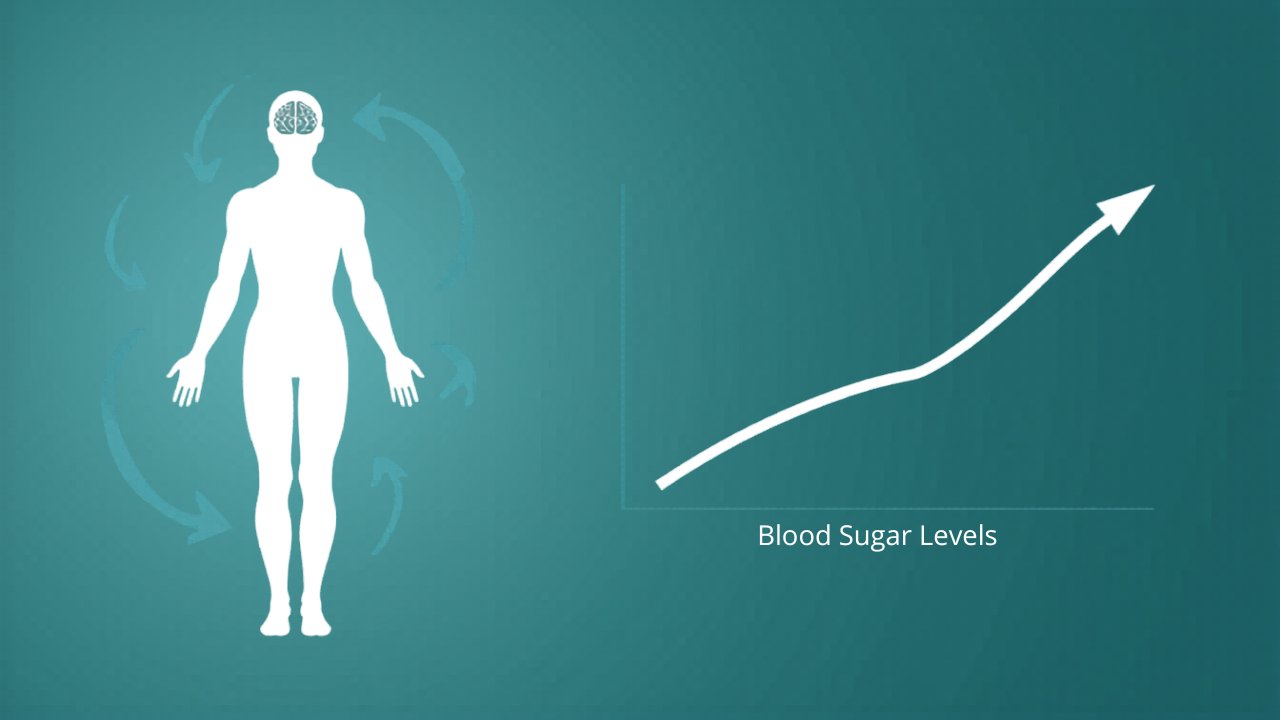
Blood sugar spikes and crashes drain your energy reserves
When you skip breakfast or eat sugary foods, your blood sugar spikes sharply — then crashes. That crash triggers cortisol and adrenaline to compensate, which leaves you feeling anxious, irritable, and tired. This cycle repeats every few hours if you don’t stabilize your meals.
Physical stillness reduces circulation and alertness
Sitting for long stretches reduces blood flow, lowers oxygen delivery to your brain, and suppresses the production of dopamine and serotonin — two chemicals that keep you alert and motivated. Even brief movement breaks measurably restore mental clarity within minutes.
The Fix: Four Habits That Actually Work
These aren’t new habits you need hours to build. They’re small adjustments to things you’re already doing.
1. Drink water before you do anything else
Before coffee, before checking your phone — drink 1 to 2 glasses of water. After 6–8 hours without fluids, your body is already mildly dehydrated when you wake up. Rehydrating first thing restores alertness faster than caffeine and without the crash.
Common mistake: reaching for coffee first. Caffeine is a diuretic — it makes dehydration slightly worse. Coffee is fine, but water should always come first.
2. Eat a breakfast that stabilizes blood sugar
Skip the sugary cereals or nothing at all. Build a breakfast around protein and slow-release carbs — this keeps your blood sugar stable for 3–4 hours instead of spiking and crashing within 45 minutes.
Simple options that work:
- Eggs with vegetables (protein + fiber)
- Oats with fruit and a handful of nuts
- Banana with peanut butter (quick and effective)
3. Move for 5–10 minutes in the morning
You don’t need a gym or a workout routine. A 5-minute walk, a few stretches, or some bodyweight squats is enough to boost circulation, raise your core temperature, and trigger a natural release of alertness hormones. Think of it as turning your engine on before you drive.
4. Take short movement breaks every hour
Set a timer for 50 minutes of work, then take a 5-minute break to stand, walk, or stretch. This one habit — more than any supplement or energy drink — prevents the afternoon energy crash most people accept as normal.

Abdellah’s Experience: What Changed for Me
I used to finish my warehouse shifts completely hollowed out. Not just physically tired — mentally blank. I tried coffee, energy drinks, sleeping more on weekends. Nothing worked for longer than an hour.
Then I made three small changes: two glasses of water right after waking up, a banana with eggs before leaving, and a 5-minute stretch before my shift. That’s it. I didn’t change my hours, my workload, or my sleep schedule.
After three days, I noticed I wasn’t hitting the 2pm wall anymore. After a week, I stopped needing coffee to function. I was still doing the same work — I just stopped running on empty.
The difference wasn’t the job. It was what I was giving my body before the job started.

Try This for 3 Days (Then Tell Me I’m Wrong)
Don’t change your entire routine. Just add these four things for 72 hours:
- Drink 2 liters of water throughout the day (start with 2 glasses in the morning)
- Eat a real breakfast — protein + slow carbs, no sugar
- Do 5–10 minutes of movement before work or school
- Take a 5-minute break every hour of work — stand up, stretch, walk
Track how you feel on Day 1 vs Day 3. Most people notice a shift faster than they expect — not because these habits are magic, but because they’re correcting something that’s been quietly wrong for a long time.

The Real Reason You’re Tired Isn’t What You Think
It’s easier to blame your job, your schedule, or your circumstances. But the truth is uncomfortable: most daily fatigue is self-inflicted — not from working too hard, but from fueling your body poorly and moving it too little.
Small changes made consistently beat big changes made occasionally every time. Water, food, and movement are boring answers. They’re also the right ones. Want to go deeper? Read: How to Sleep Better Naturally (Without Medication) — it builds directly on everything covered here.
Table of Contents
Medical Disclaimer
This content is for informational purposes only and does not constitute medical advice. Always consult a qualified healthcare professional for personal health concerns.