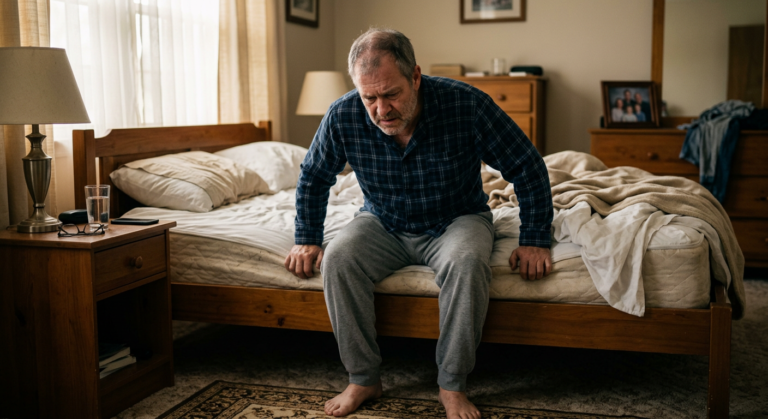

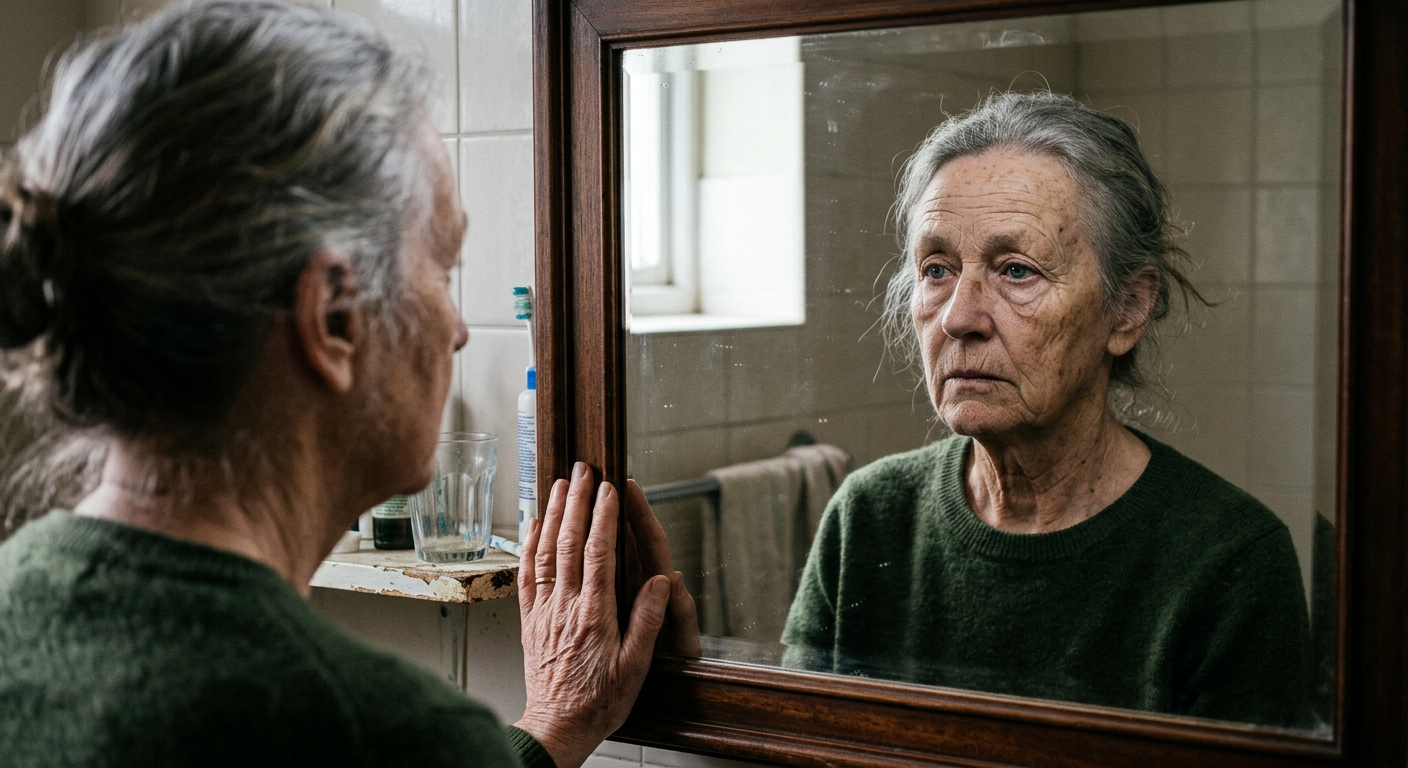

Two people can both be 45. One runs up stairs without thinking. The other gets winded by the second flight. One looks sharp, focused, and physically capable. The other looks like they’ve been awake for a week. Same number of birthdays. Completely different bodies.
That difference has a name: biological age. And it’s not a vague wellness concept — it’s a measurable biological reality. Researchers can now read your DNA methylation patterns and produce a number that reflects how fast your cells are actually aging. That number can be 10 or 15 years ahead of your birthday — or behind it. You think aging is something that happens to you on a fixed schedule. But what if the schedule is largely determined by what you eat, how you sleep, how you move, and how much chronic stress your body is under? And what if that schedule can be changed — not in theory, but with specific, measurable interventions backed by some of the most interesting research in biology right now?
Why So Many People Are Aging Faster Than Their Years
Biological age and chronological age start diverging long before most people notice. The process is gradual and largely invisible — until the gap becomes wide enough that the symptoms are impossible to ignore.
Research using epigenetic clocks — DNA-based biomarkers of biological aging — has made this gap measurable. A 2024 study published in Psychosomatic Medicine using data from 3,795 adults found that short sleep and insomnia were each independently associated with accelerated epigenetic age as measured by GrimAge and DunedinPACE, two of the most validated biological aging clocks currently in use. Sleep alone can add measurable years to your biological age.
But sleep is only one accelerator. Check how many of these patterns apply to you right now:
- You regularly sleep less than 7 hours or wake feeling unrestored
- Your diet is high in ultra-processed food and low in whole, fiber-rich foods
- You sit for most of the day and do little or no resistance training
- You carry chronic low-grade stress with no consistent recovery practice
- You have few close social connections or feel persistently isolated
Each of those five patterns has been independently linked to accelerated epigenetic aging in peer-reviewed research. Stack more than two or three of them — which most working adults do, without realizing it — and the gap between your biological and chronological age starts widening in a direction you don’t want.

What’s Actually Happening Inside Your Body
Biological age is measured at the molecular level, not by looking in a mirror. Researchers use three main markers: epigenetic methylation clocks, telomere length, and senescent cell accumulation. Each captures a different dimension of how fast your cells are deteriorating.
Epigenetic clocks: how scientists read your biological age from your DNA
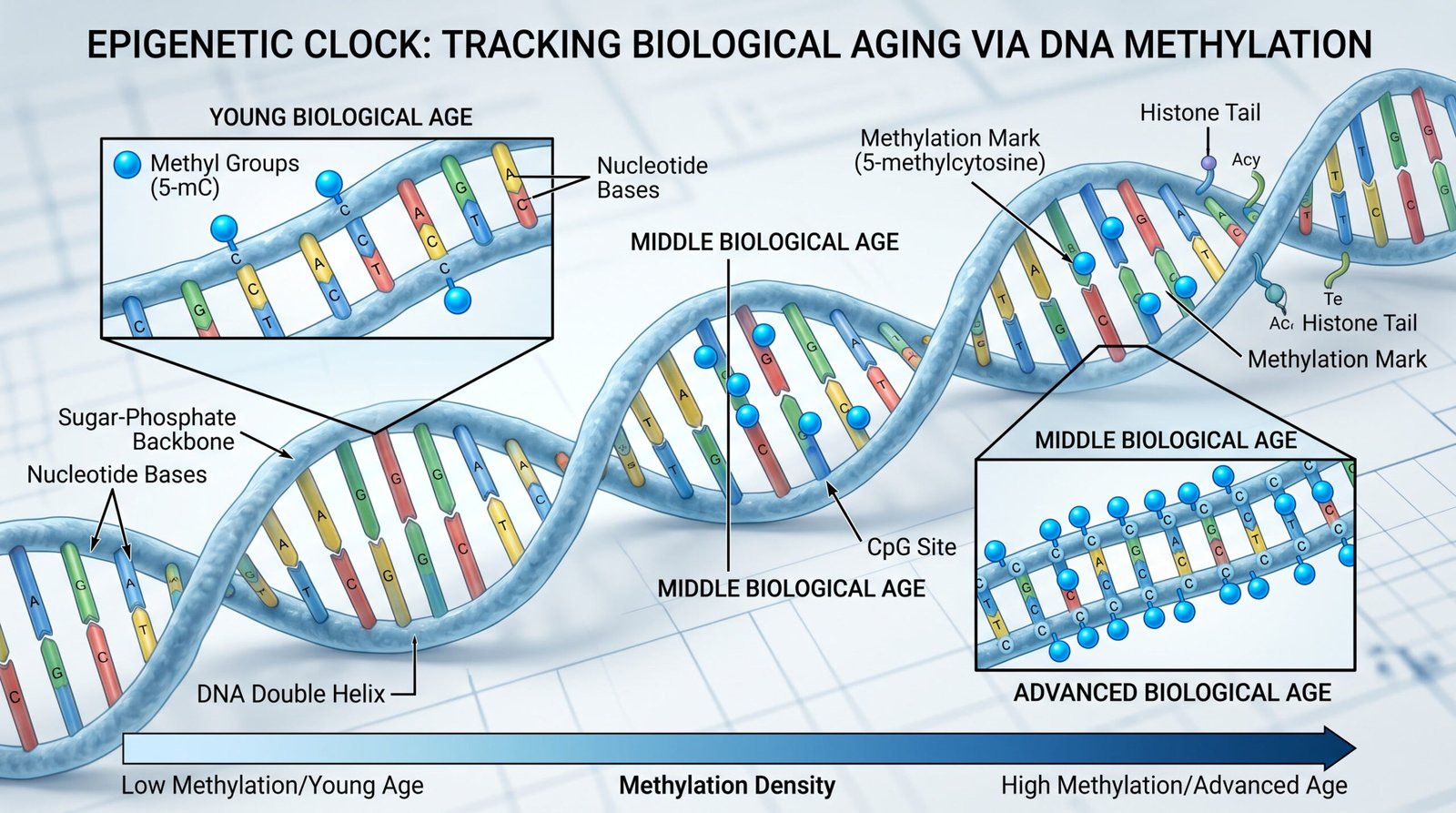
Your DNA contains millions of tiny chemical tags called methyl groups. Their pattern changes predictably with age — but much faster in people who smoke, sleep poorly, eat poorly, and stay sedentary. Scientists have built algorithms that read these patterns and produce a biological age estimate.
The two most predictive clocks are GrimAge — which predicts time to death with remarkable accuracy — and DunedinPACE, which measures the speed at which you’re currently aging, like a biological speedometer. A 2024 review published in the Journal of Clinical Medicine (MDPI) confirmed that DunedinPACE is particularly responsive to lifestyle interventions and is now widely used in aging research because it can detect changes over short periods — weeks, not years.
Honestly, the first time I read about DunedinPACE I found it unsettling in the best way. The idea that your current habits are producing a measurable speedometer reading for your own aging — and that you can change that reading with specific inputs — reframes every daily choice you make.
Telomere length: the biological countdown timer
At the end of every chromosome sits a protective cap called a telomere. Every time a cell divides, the telomere shortens slightly. When it gets too short, the cell either stops dividing or dies. Telomere length is one of the oldest biological age markers — and it’s directly influenced by lifestyle.
Chronic stress, poor sleep, smoking, and sedentary behavior all accelerate telomere shortening. Exercise, good sleep, and dietary quality slow it. The research on telomere length and lifestyle is extensive enough that it’s now used alongside epigenetic clocks as a composite marker of biological aging.
Senescent cells: when old cells refuse to die
As cells age or are damaged, some of them enter a state called cellular senescence — they stop dividing but don’t die. Instead, they linger and secrete inflammatory signals that damage surrounding tissue. This is sometimes called the senescence-associated secretory phenotype, or SASP.
The accumulation of senescent cells is one of the primary drivers of the chronic low-grade inflammation that underpins virtually every aging-related disease: cardiovascular disease, metabolic dysfunction, cognitive decline, and cancer. Lifestyle choices that reduce inflammation — consistently, over time — are the same ones that slow senescent cell accumulation.
The Fix: 5 Habits With the Strongest Evidence for Slowing Biological Age
These five habits appear across virtually every major biological aging study as the interventions with the most consistent and measurable impact on epigenetic clocks, telomere length, and inflammatory markers. None of them are experimental. All of them are accessible.
1. Protect sleep like your biological age depends on it — because it does
The 2024 study in Psychosomatic Medicine showed that the combination of short sleep and insomnia symptoms was associated with the highest levels of epigenetic age acceleration of any sleep pattern measured. Not somewhat higher. Meaningfully, measurably higher — in a population of nearly 4,000 adults.
Sleep is when your cells repair DNA damage, clear metabolic waste from the brain, regulate inflammatory cytokines, and reset hormonal rhythms that control cellular aging. Consistently getting less than 7 hours isn’t just tiredness — it’s measurably accelerating your biological clock.
Common mistake: thinking that catching up on sleep over weekends compensates for weekday sleep debt. Chronic short sleep creates epigenetic changes that don’t simply reverse with one or two long nights. Consistency is the variable.
2. Do resistance training — it reverses aging signatures in skeletal muscle
A 2025 perspective published in Aging (Kawamura et al., Tohoku University) reviewed existing evidence and concluded that exercise may slow or reverse epigenetic aging. One study they cite found that sedentary middle-aged women reduced their epigenetic age by two years after just eight weeks of combined aerobic and strength training.
Skeletal muscle is particularly responsive to exercise-induced epigenetic changes. Resistance training specifically reverses aging-associated hypermethylation patterns in muscle tissue — meaning it doesn’t just slow biological aging, it can genuinely roll back some markers of it.
Common mistake: only doing walking or light cardio. Both have value, but resistance training produces unique epigenetic effects in muscle tissue that cardio alone doesn’t replicate. Two sessions per week is a meaningful starting point.
3. Eat to reduce inflammation — the cellular aging accelerator
Chronic inflammation is the fuel that drives all three biological aging mechanisms: it accelerates DNA methylation changes, shortens telomeres faster, and promotes the SASP environment that spreads senescent cell damage. And nothing raises low-grade chronic inflammation more consistently than a diet high in ultra-processed food, refined sugar, and seed oils.
The anti-aging dietary pattern isn’t exotic: it’s the one that consistently appears in longevity research. High in fiber, vegetables, fatty fish, legumes, olive oil, and colorful whole fruit. Low in refined carbohydrates and processed food. The mechanism is inflammation reduction — and the epigenetic clock changes that follow from it.
Common mistake: taking antioxidant supplements as a shortfall. Supplement-based antioxidants have largely failed to reproduce the anti-aging benefits of whole food antioxidants in controlled trials. The food matrix matters.
4. Manage chronic stress — it ages you at the DNA level
Chronic psychological stress elevates cortisol and inflammatory cytokines that directly accelerate telomere shortening and epigenetic clock progression. This isn’t metaphorical — it’s been demonstrated in multiple populations, including caregivers, people with PTSD, and shift workers with irregular schedules.
The specific recovery practice matters less than the consistency of it. Meditation, breathing exercises, walks in nature, social time, even deliberately low-stimulation evenings — any of these can measurably reduce inflammatory markers when practiced regularly. What doesn’t work is assuming stress will resolve itself or that it’s not doing biological damage in the meantime.
Common mistake: treating stress management as optional or indulgent. It is as physiologically important as sleep and exercise for biological age, and most people give it the least attention of the three.
5. Invest in close social connection — this one surprises most people
Social isolation is consistently associated with accelerated biological aging across multiple epigenetic clock studies. It raises inflammatory markers, disrupts cortisol rhythms, and — according to several large longitudinal datasets — predicts mortality as reliably as smoking.
The mechanism is partly hormonal: close social connection triggers oxytocin release, which has direct anti-inflammatory and neuroprotective effects. But it’s also behavioral: people with strong social ties sleep better, exercise more consistently, eat better, and seek help earlier when health problems arise.
Common mistake: treating social connection as a bonus once everything else is optimized. The data position it as a core longevity intervention — not a nice-to-have that comes after diet and exercise are sorted.

Abdellah’s Experience: The Day I Stopped Thinking About Age the Old Way
Warehouse work doesn’t exactly encourage you to think about longevity. You show up, you do the job, you go home. And for years, I measured how well I was doing by whether I could get through my shifts without collapsing.
Then I started reading about epigenetic clocks — the idea that your daily inputs are constantly writing and rewriting something that looks like an age number in your own DNA. That reframe hit differently. It wasn’t about living longer in some abstract future sense. It was about what the next shift would feel like, and the shift after that.
I can’t test my DunedinPACE score at home. But when I sleep consistently, eat less processed food, and do my resistance band sessions three times a week — I notice the gap between how I feel and how I used to feel. I’m not 100% sure what my biological clock reads. But I’d rather be moving in the right direction than standing still.Your birthday is fixed. Your biological age is something you’re actively choosing, every day, whether you know it or not.

Try This for 7 Days (Then Tell Me I’m Wrong)
You won’t move your DunedinPACE score in a week. But you can shift every one of its known inputs — and see whether your body notices. Track your energy, your morning clarity, and your recovery speed across seven days of consistent inputs.
- Sleep floor: commit to 7 hours minimum, in bed at the same time, no screens 30 minutes before sleep — every night for 7 days
- Resistance session: 3 sets of squats, push-ups, and rows (band or bodyweight) — 3 times across the week
- One inflammatory food removed: identify the one ultra-processed item you eat most often and replace it with a whole-food alternative for the entire week
- One stress recovery practice: 10 minutes daily of any deliberate low-stimulation activity — walking without headphones, breathing, sitting outside — no phone
- One meaningful social interaction: one real conversation per day with someone you care about — in person or voice call, not text
Track three things each morning: energy on waking, mental clarity by mid-morning, and mood by mid-afternoon. By Day 5 or 6, if you’ve kept all five inputs consistent, most people notice a measurable shift in at least two of those three markers.

The Real Reason Your Biological Age Matters More Than Your Birthday
Chronological age tells you how many times the Earth has gone around the sun since you were born. That number is fixed, and it tells you almost nothing useful about your health, your energy, or how long you’ll function well.
Biological age tells you how fast your cells are deteriorating right now — and that number is moving every day based on choices most people make without realizing they have any control over them. The research is clear: consistent sleep, resistance training, anti-inflammatory eating, stress recovery, and social connection measurably slow and can partially reverse the epigenetic clock.
And since biological aging connects directly to how your energy and metabolism function day to day, this pairs naturally with: insulin resistance symptoms — the metabolic condition that accelerates biological aging.
Table of Contents
Medical disclaimer
This content is for informational purposes only and does not constitute medical advice. Always consult a qualified healthcare professional for personal health concerns.